The Keyhole Effect: Why Our Current Photography is Too Small
For decades, we have been conditioned to view the world through a keyhole. Whether it is the 4:3 ratio of traditional cameras or the 9:16 verticality of modern social media, we are constantly cropping out the reality of our existence. I argue that this obsession with the narrow frame isn’t just a technical limitation; it is a psychological one. When we crop the world, we crop our connection to it. We prioritize the ‘subject’—often ourselves—while discarding the very context that gives the subject meaning.
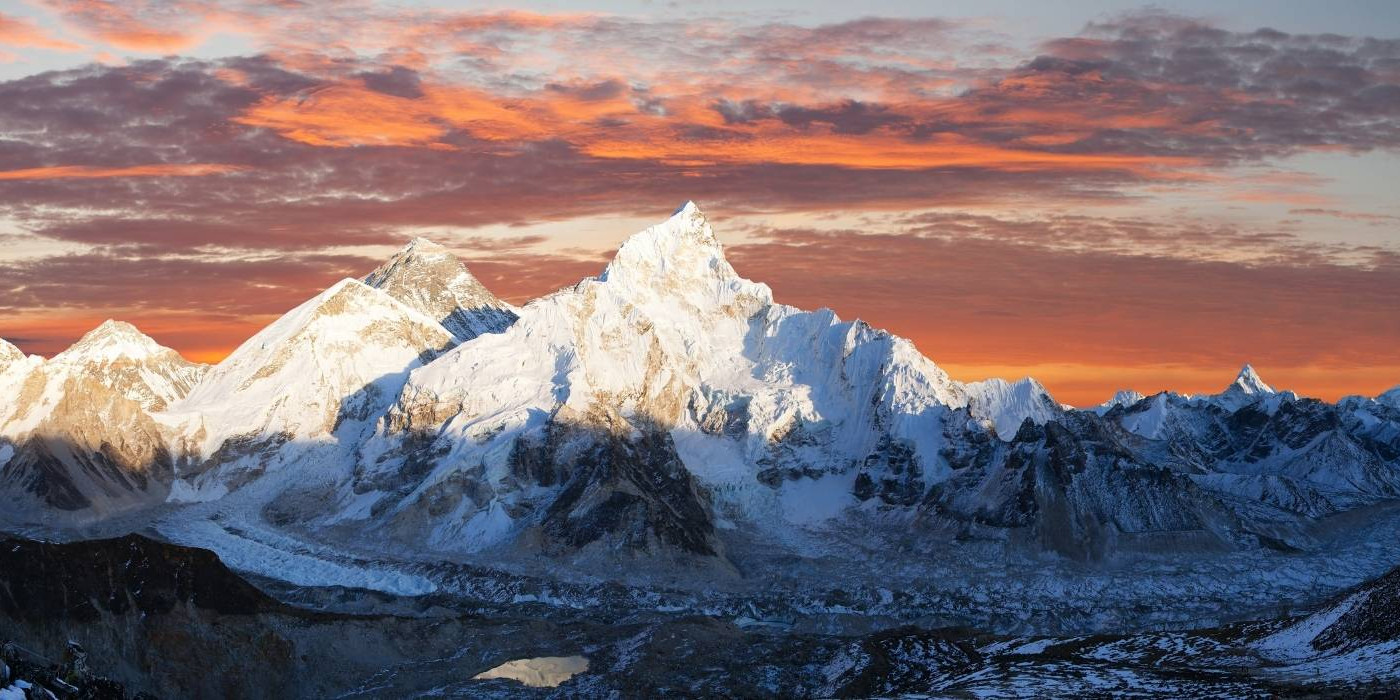
The human eye does not see in boxes. Our biological field of vision is expansive, nearly 180 degrees of peripheral awareness that tells us where we are in relation to the horizon. Yet, when we pull out a smartphone to capture a moment, we immediately shrink that experience. We lose the scale of the mountains, the stretch of the city street, and the vastness of the sky. To truly find our place in the world, we must move beyond the single-frame mentality and embrace the wide perspective that AI photo stitching now makes possible.
The Tyranny of the Subject Over the Scene
In my view, modern photography has become dangerously self-absorbed. We focus on the person in the foreground, blurred into a ‘bokeh’ perfection, while the world behind them becomes a meaningless smudge. This ‘subject-first’ approach detaches us from our environment. It suggests that the world is merely a backdrop for our individual lives, rather than a complex ecosystem in which we are small but vital parts.
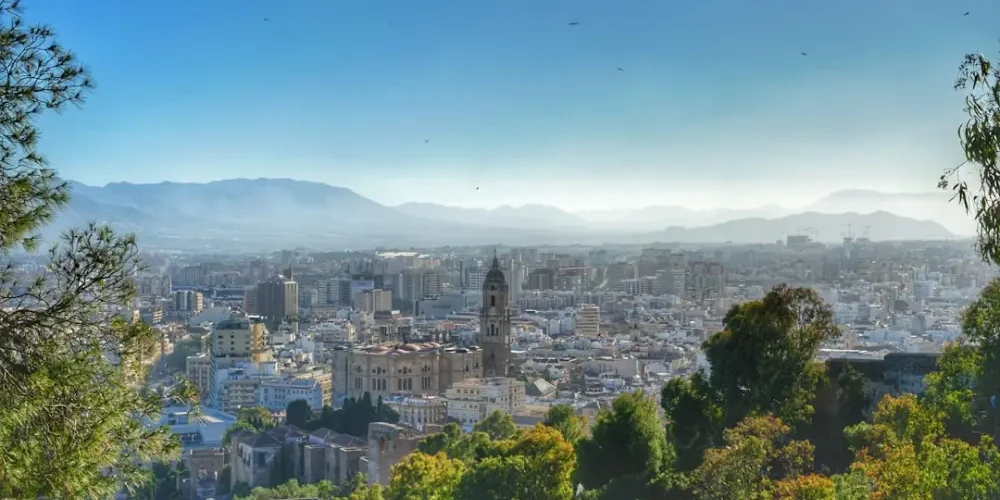
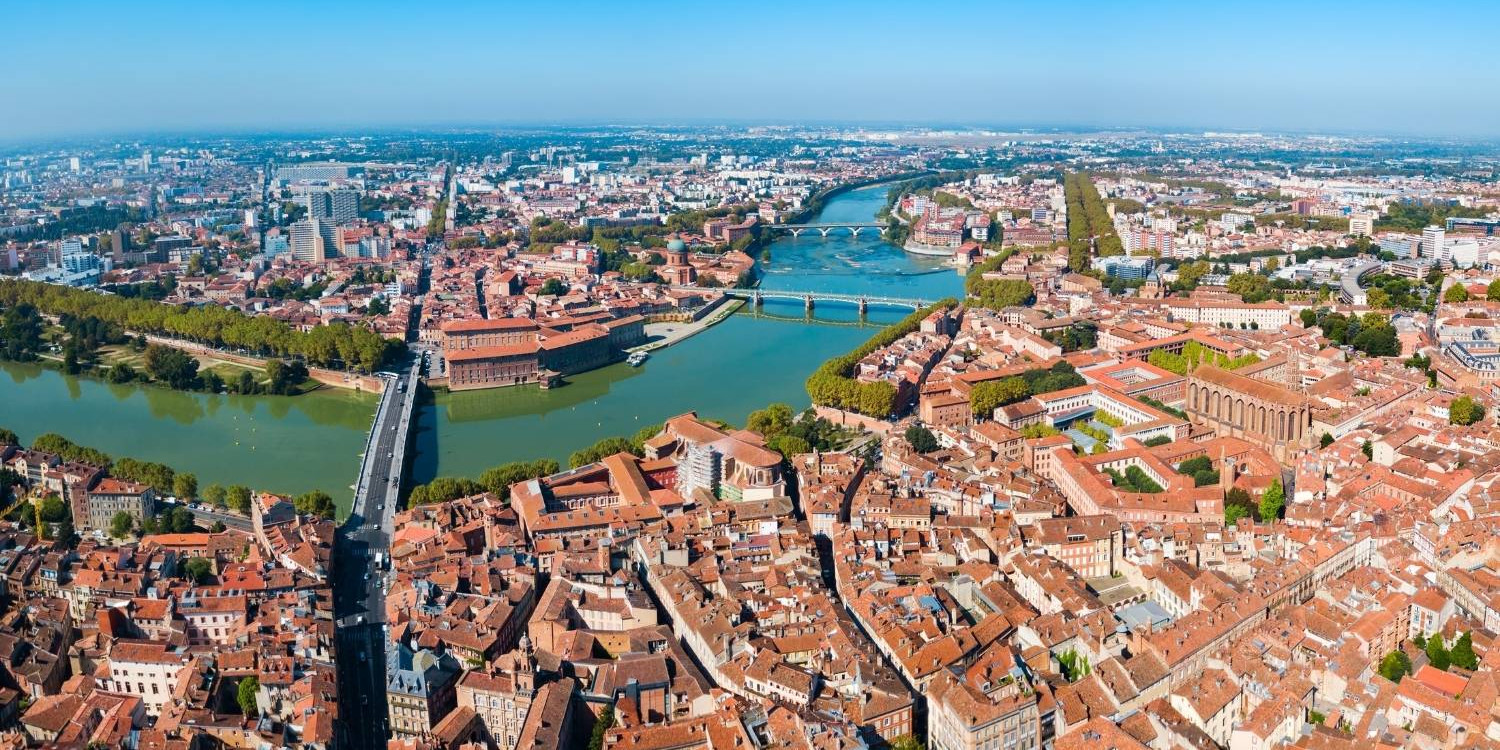
Wide perspectives, specifically panoramas created through AutoStitch technology, flip this script. They force the viewer to acknowledge the environment first. When you look at a seamless 360-degree stitch, you aren’t just looking at a person; you are looking at a place. You see the distance they’ve traveled, the height of the trees above them, and the curve of the earth beneath them. This shift in perspective is essential for a healthy understanding of our own scale. It reminds us that we are part of something much larger than our own digital avatars.
Why Context is the Ultimate Narrative Tool
A single photo is a sentence; a panorama is a story. Without the wide perspective, we are effectively reading a book with most of the words blacked out. Consider these reasons why capturing the full breadth of a scene is superior for storytelling:
- Spatial Grounding: A wide view provides a sense of ‘here-ness’ that a tight shot cannot replicate, allowing the viewer to inhabit the space.
- Emotional Resonance: Vast landscapes evoke feelings of awe and humility, emotions that are biologically linked to our sense of well-being and perspective.
- Narrative Flow: By including more of the environment, you capture the ‘before’ and ‘after’ of a scene in a single, continuous visual plane.
- Truthfulness: Single frames can be deceptive by what they exclude; wide perspectives offer a more honest representation of the reality on the ground.
The AI Revolution: Stitching the Fragments Back Together
Some purists argue that ‘stitching’ photos together is an artificial manipulation of reality. I take the opposite stance. I believe that AI-driven photo stitching is the most honest way to represent the human experience of space. Our brains are constantly ‘stitching’ visual data as we move our eyes across a landscape. We don’t see in static frames; we see in a continuous flow of information.
Tools like AutoStitch are not creating a ‘fake’ image; they are reconstructing the truth that a standard lens is too limited to capture. By using intelligent algorithms to align pixels and blend exposures, we are finally able to bridge the gap between what the camera sees and what the human spirit feels. It is a technological solution to a biological desire: the need to see the whole picture.
Democratizing the ‘God-Eye’ View
In the past, capturing a truly wide perspective required expensive wide-angle lenses or specialized panoramic film cameras that were out of reach for the average person. Today, AI has democratized this ‘God-eye’ view. Anyone with a smartphone and the right software can now capture the majesty of the Grand Canyon or the sprawling complexity of a metropolitan skyline. This accessibility is revolutionary because it allows more people to engage with the world on a macro level, fostering a greater appreciation for our shared environment.
Conclusion: Stop Looking Through the Keyhole
The world is not a series of 1:1 squares. It is an expansive, interconnected, and breathtakingly wide reality. If we continue to document our lives through narrow lenses, we risk losing our sense of place within that reality. We become figures floating in a void, disconnected from the horizons that should ground us.
It is time to embrace the wide perspective. Whether you are a professional photographer or a casual traveler, I encourage you to use the tools at your disposal to stitch your world back together. Don’t settle for the sliver of the view that fits in a standard frame. Use AI stitching technology to capture the full story, the full scale, and the full truth of your surroundings. Only then can we truly see where we stand and find our place in this magnificent world.