
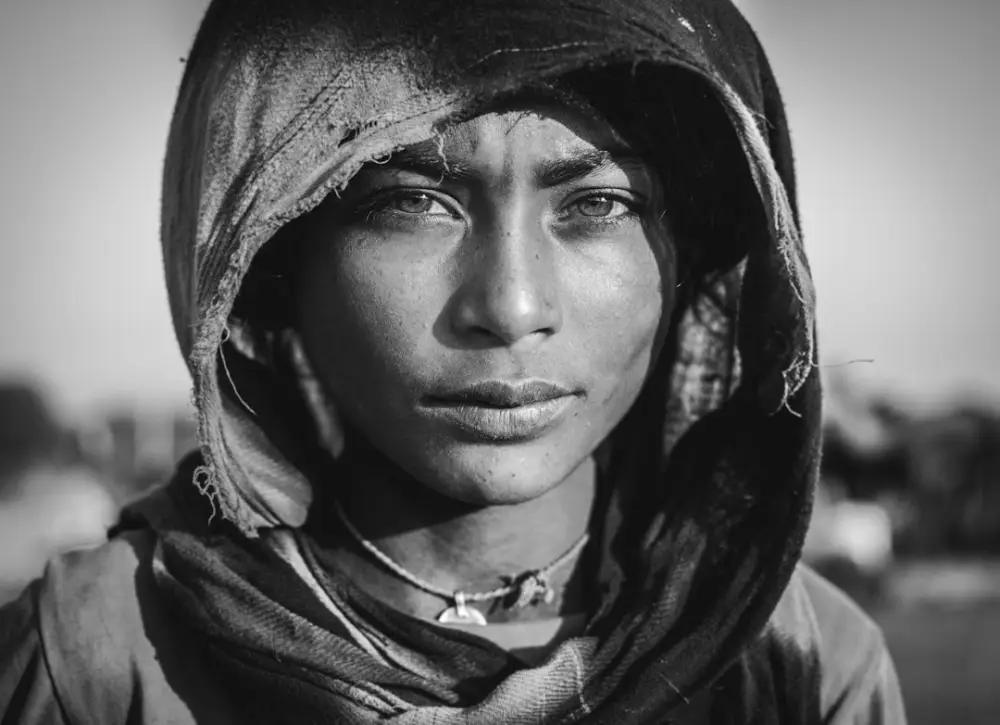
Portrait photography is a specialised genre focused on capturing the personality, mood, and identity of a person or group through creative composition. Beyond a simple snapshot, a successful portrait utilises intentional lighting, posing, and depth of field to convey a narrative and establish a meaningful connection between the subject and the viewer.
To master the portrait is to master the art of observation. It requires a photographer to look past the surface of a face and identify the subtle nuances that define an individual’s character. In an era where digital imagery is ubiquitous, the challenge lies in creating a portrait that resonates with authenticity rather than merely replicating a standard aesthetic.
Understanding the Essence of Portrait Photography
At its core, portraiture is an exploration of the human condition. While other forms of photography might focus on the grandeur of a landscape or the geometry of architecture, the portrait prioritises the individual. The goal is to create a visual biography, a single frame that suggests a lifetime of experiences. This requires more than technical proficiency; it requires empathy. A photographer must be able to read their subject, recognising the moment when a mask drops and a genuine expression emerges.
Historically, portraits were the domain of painters, reserved for the elite to signal status and legacy. With the advent of the camera, the medium became democratised, yet the fundamental purpose remained: to preserve a likeness. However, a likeness is not necessarily a portrait. A likeness records what a person looks like; a portrait records who they are. This distinction is vital for the modern digital photographer. To capture essence, one must consider the narrative. Is the subject a resilient craftsman, a contemplative thinker, or a vibrant youth? Every choice made behind the lens should serve to amplify that specific story.
The essence of a portrait is also found in the "gaze." Whether the subject looks directly into the lens or away into the distance, the direction of their eyes dictates the viewer’s emotional response. A direct gaze can feel confrontational or intimate, forcing a dialogue between the subject and the observer. An averted gaze invites the viewer to observe the subject in a moment of private reflection. Understanding these psychological cues is what elevates a photograph from a mere record to a piece of art.
Essential Technical Elements: Lighting, Lenses, and Depth of Field
Technical mastery serves as the foundation upon which creative expression is built. In portraiture, lighting is perhaps the most influential tool at a photographer’s disposal. It dictates the mood, defines the contours of the face, and sets the atmospheric tone. Traditional techniques, such as Rembrandt lighting—characterised by a small triangle of light on the shadowed cheek—draw from classical painting to add depth and drama. Conversely, high-key lighting, which minimises shadows, can evoke feelings of innocence, clarity, and optimism.
The choice of lens further shapes the narrative. Focal length is not just about how much of the scene fits into the frame; it is about how the lens renders the human form. A short telephoto lens, typically between 85mm and 135mm, is often preferred for portraits because it provides a flattering compression of facial features and a comfortable working distance. Wider lenses, such as a 35mm, can be used to create a sense of intimacy or to include more of the subject's surroundings, though they require careful handling to avoid unflattering distortion of the proportions.
Depth of field is the third pillar of portrait technique. By using a wide aperture (a low f-number), photographers can achieve a shallow depth of field, creating a soft, blurred background known as bokeh. This technique is used to isolate the subject from distracting elements, ensuring the viewer's eye is drawn immediately to the eyes or the expression of the person being photographed. However, depth of field should be used intentionally; sometimes, keeping the background in sharper focus provides necessary context that enriches the portrait's story.
Exploring Different Portrait Styles: From Candid to Environmental
Portraiture is not a monolithic genre; it encompasses various styles that offer different perspectives on the subject. Candid portraits are perhaps the most raw, captured without the subject's direct engagement with the camera. These images often reveal "in-between" moments—a genuine laugh, a furrowed brow of concentration, or a quiet sigh. The power of the candid portrait lies in its lack of artifice; it is a record of a person simply being themselves.
Environmental portraiture, on the other hand, places the subject within a specific setting that defines their identity. A scientist in a laboratory, a gardener among their blooms, or an artist in a cluttered studio—these backgrounds are not incidental. They are extensions of the subject's personality. In environmental portraiture, the surroundings are given as much consideration as the person, as the interplay between the individual and their space tells a more comprehensive story than a headshot against a plain backdrop.
Beyond these, there are formal studio portraits, which offer total control over every variable, and lifestyle portraiture, which seeks to capture people in everyday situations with a polished, editorial feel. Each style requires a different mindset. While the studio photographer must be a director, the candid photographer must be an invisible observer. Choosing the right style depends entirely on the message the photographer intends to convey about the subject.
The Art of Posing and Establishing Human Connection
One of the most significant hurdles in portrait photography is the inherent awkwardness of being watched by a camera. Most people become self-conscious the moment a lens is pointed at them, leading to stiff postures and forced smiles. The photographer’s role is to break down these barriers. Establishing a human connection is more important than any camera setting. This begins with communication—talking to the subject, explaining the vision, and providing constant, positive feedback.
Posing should be a fluid process rather than a series of rigid instructions. Instead of telling a subject to "place your hand here," a photographer might suggest a movement or a thought that naturally leads to a desired posture. The goal is to find lines and angles that are both flattering and expressive. For instance, slight tilts of the head or shifts in weight can change the energy of a portrait from authoritative to approachable. It is also important to pay attention to the hands; they are often the most expressive part of the body after the face, yet they are frequently overlooked or positioned awkwardly.
True connection occurs when the subject feels seen, not just looked at. This requires the photographer to be present and vulnerable themselves. When a subject feels a sense of trust, they are more likely to reveal their true character. This psychological dance is what makes portraiture so rewarding; it is a collaborative effort where the final image is a reflection of the relationship between the two people on either side of the camera.
Enhancing Portrait Perspectives Through Image Stitching and Panoramas
In our current digital landscape, we often fall victim to the "keyhole effect," viewing our subjects through narrow, restrictive frames. Standard sensor ratios can sometimes feel like a limitation, cropping out the very environment that gives a portrait its soul. For photographers looking to break free from these constraints, image stitching and panoramic techniques offer a transformative path. By expanding the field of view, we can place the human element within a much grander context, moving away from the claustrophobia of tight crops and toward Wide Perspectives that allow a subject to truly inhabit their world.
One popular technique in this realm is the Brenizer Method, often referred to as a bokeh panorama. By stitching together multiple images taken with a telephoto lens at a wide aperture, a photographer can create a portrait that possesses an impossibly shallow depth of field combined with a wide-angle view. This results in a medium-format look that is difficult to achieve with a single exposure. The subject remains crisp and isolated, but the background unfolds in a sweeping, cinematic expanse that adds a sense of epic scale to the personal narrative.
Utilising stitching software allows for a level of detail and resolution that surpasses the capabilities of a single sensor. This is particularly effective in environmental portraiture, where the textures of the surroundings are as vital as the features of the face. When we stop cropping the reality of our existence and start embracing a wider frame, we create portraits that feel more like visual stories and less like isolated snapshots. This approach encourages the viewer to linger, exploring the frame and finding the connection between the person and the vast world they occupy. Through these expanded perspectives, portraiture becomes not just a study of a face, but a study of a human being’s place in the world.